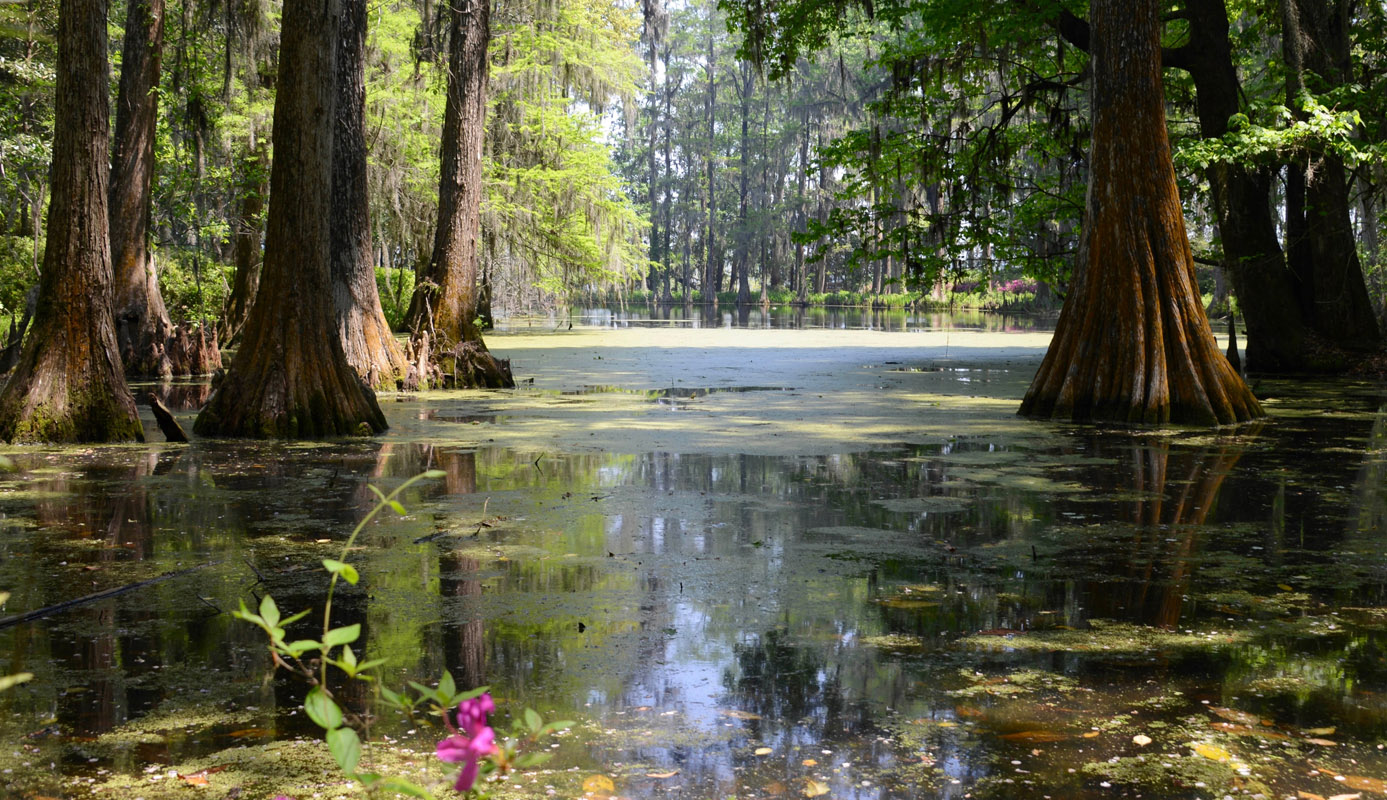
Date: Friday, 2nd February 2024; 27th Anniversary.
Organizer: United Nations Educational, Scientific and Cultural Organization (UNESCO)
Objectives:
World Wetlands Day is annually observed for the following purposes:
- to recognize the vital role of wetlands as an ecosystem of natural filter and conserver and the influence and positive production that wetlands have had on the world.
- to raise global awareness of the status of wetlands and the challenges that wetlands are facing.
- to promote the conservation, restoration and sustainable use of terrestrial and inland freshwater ecosystems and their services.
Inception:
The first World Wetlands Day was observed around the world on 2 February 1997.
History:
On 2 February 1971, the Ramsar Convention on Wetlands (fully named Ramsar Convention on Wetlands of International Importance especially as Waterfowl Habitat) was established in the city of Ramsar, Iran.
In November 1996, the Conference of the Parties to the Convention on Biological Diversity, in partnership with the World Wetlands Secretary Department (known as the Ramsar Secretariat), decided to declare 2 February as World Wetland Day to raise awareness about the vital role of wetlands for the world. The date was selected to commemorate the signing of the Ramsar Convention on Wetlands in 1971.
On 30 August 2021, the UN General Assembly adopted Resolution A/RES/75/317 that officially proclaimed 2 February as World Wetlands Day.
Why Do We Mark World Wetlands Day?
Wetlands (including lakes, rivers, marshes, swamps, ponds, rice paddies, saltpans, estuaries, mangroves, lagoons, coral reefs, etc.) are surface areas that are saturated or flooded with water either permanently or seasonally. They host 40% of the world’s species and provide multiple ecosystem services.
Wetlands are vital for ecological health and evolution. In addition to freshwater supply and food production, they provide natural solutions for storm water buffering, flood control, water clean, groundwater recharge, erosion protection, carbon sequestration, and climate regulation.
With population growth and overconsumption, however, many wetlands across the world are being lost or undergone significant degradation, resulting in negative impacts on biological diversity and peoples’ livelihoods.
According to the secretariat of the Ramsar Convention on Wetlands, global wetlands have lost by 64-71% in the 20th century. To achieve sustainable development goals, this trend should be imperatively reversed.
How To Observe World Wetlands Day:
Learn, share, and actions!
On this day, environmental enthusiast and community protectors all come together to show their love for nature through celebration activities, which recognizes what wetlands have done for not only our humans, but all sorts of organisms in this world.
Organizations, communities, and individuals are encouraged to organize a variety of events, including lectures, seminars, nature walks, sampan races, and social media campaigns, to raise and spread awareness of vital role of wetlands.
Each year a specific theme is selected by the secretariat of the Ramsar Convention to focus attention and help raise public awareness about the value of wetlands.
Annual Theme in Recent Years:
2024 theme: “Wetlands and Human Wellbeing”.
2023 theme: “Wetland Restoration”.
2022 theme: “Wetlands Action for People & Nature”.
2021 theme: “Wetlands and Water”.
2020 theme: “Wetlands and Biodiversity”.
2019 theme: “Wetlands and Climate Change”.
2018 theme: “Wetlands for A Sustainable Urban Future”.
2017 theme: “Wetlands for Disaster Risk Reduction”.
Official Websites:
https://www.un.org/en/observances/world-wetlands-day
https://www.worldwetlandsday.org

Leave a Reply